
Quick answer
Which dispute-resolution process may fit your matter?
The agreement, relationship between the parties, need for a binding decision and enforcement requirements affect whether negotiation, mediation, arbitration or court proceedings fit a dispute. Review the dispute clause and any notice deadline before selecting a process.
- Keep the agreement, amendments, notices and correspondence together.
- Identify the remedy sought and any relationship the parties want to preserve.
- Check the dispute clause and filing deadlines before starting a process.
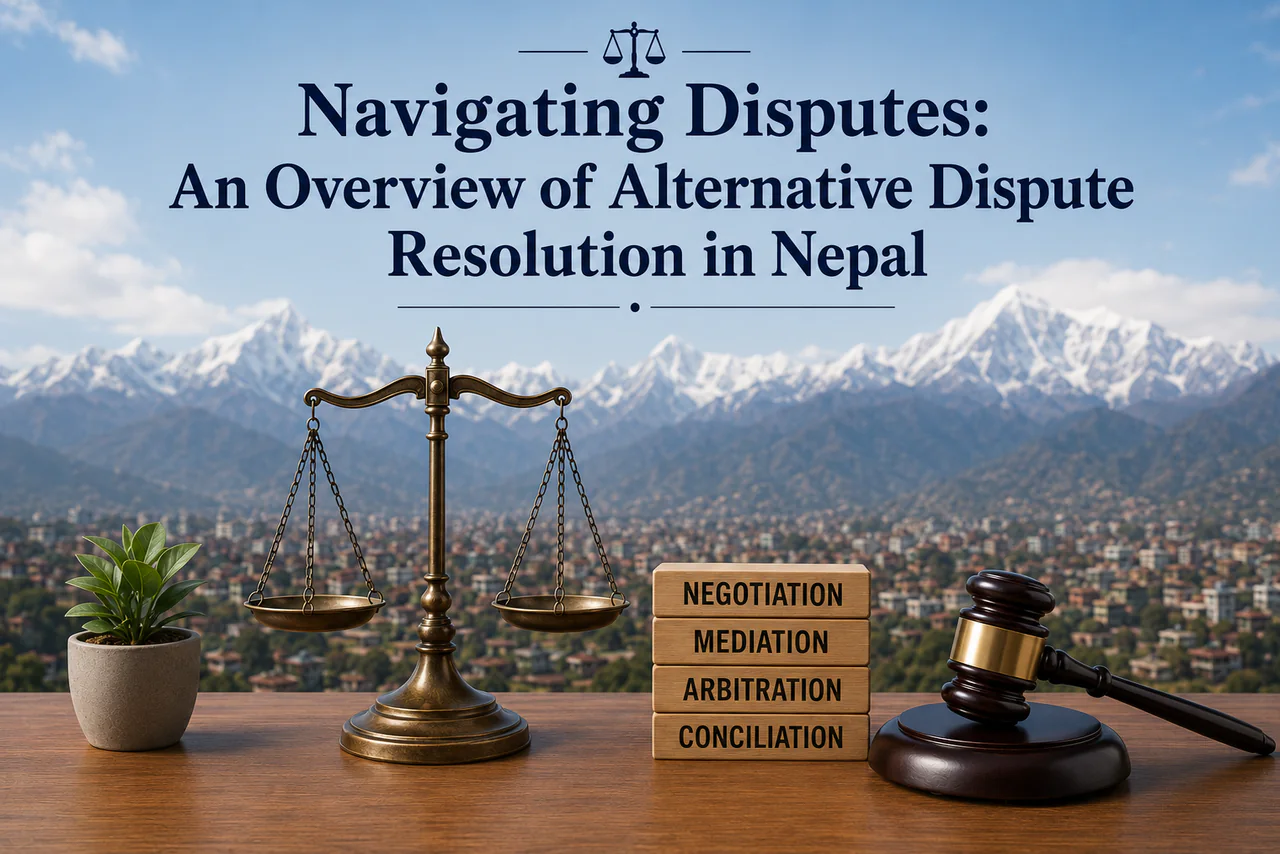
How do the main ADR processes differ?
- Negotiation
- The parties discuss a possible resolution directly or through their representatives.
- Mediation
- A neutral mediator helps the parties discuss settlement. The parties decide whether to agree.
- Arbitration
- The parties submit the dispute to an arbitrator or tribunal for a decision under the applicable agreement and procedure.
- Conciliation
- A conciliator assists the parties and may take a more active role in proposing terms for resolution.
What should you review before choosing a process?
- the contract and any dispute-resolution clause;
- the parties, issues and amount in dispute;
- notices already sent and any response deadline;
- the evidence needed to support the claim or defence;
- whether confidentiality or an ongoing relationship matters; and
- where a settlement or decision may need to be enforced.
What should you bring to an initial review?
Bring the signed agreement, amendments, payment or performance records, notices, correspondence and a dated account of the dispute. A lawyer can then check the clause, available forums and immediate deadline before recommending a route.