
Company Registration
E-Commerce Business Registration in Nepal
Learn the e-commerce business registration and platform-listing process in Nepal, including the information and documents to prepare.

Legal publications
Browse publications from S & S Jurists on legal questions affecting businesses, institutions and individuals in Nepal.
Continue reading
Company Registration
Learn the e-commerce business registration and platform-listing process in Nepal, including the information and documents to prepare.

E-Commerce
A guide to Nepal’s Digital Service Tax and VAT rules for non-resident digital suppliers, including the separate thresholds, business-use treatment and filing duties.
Publications
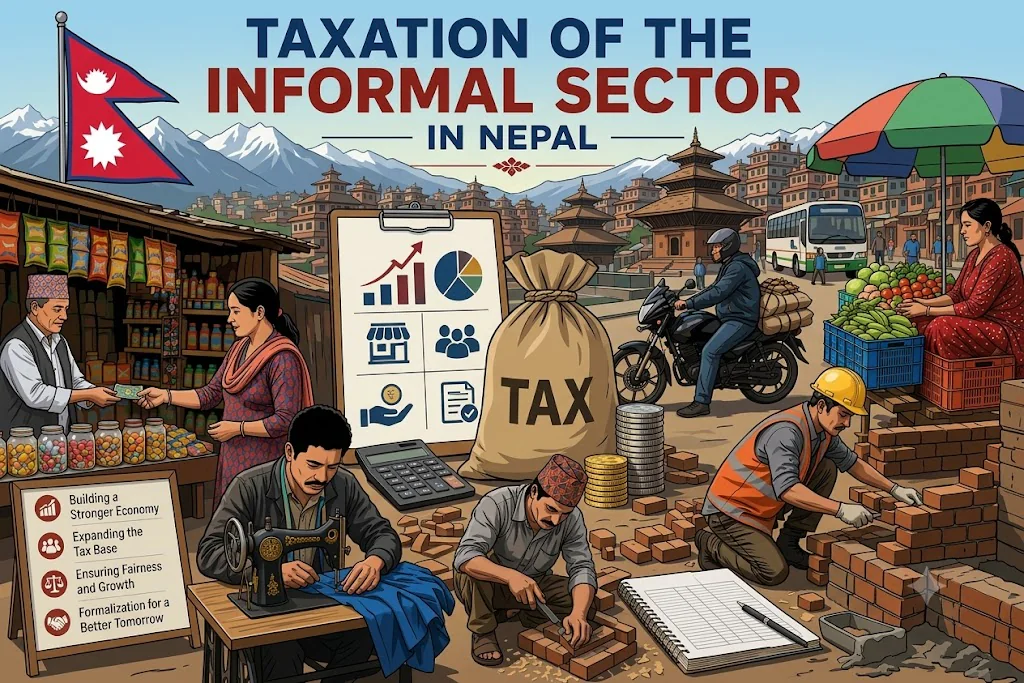
1. Introduction Nepal’s informal sector remains one of the most defining structural characteristics of its economy. It is deeply interwoven with employment generation, household…
Publications
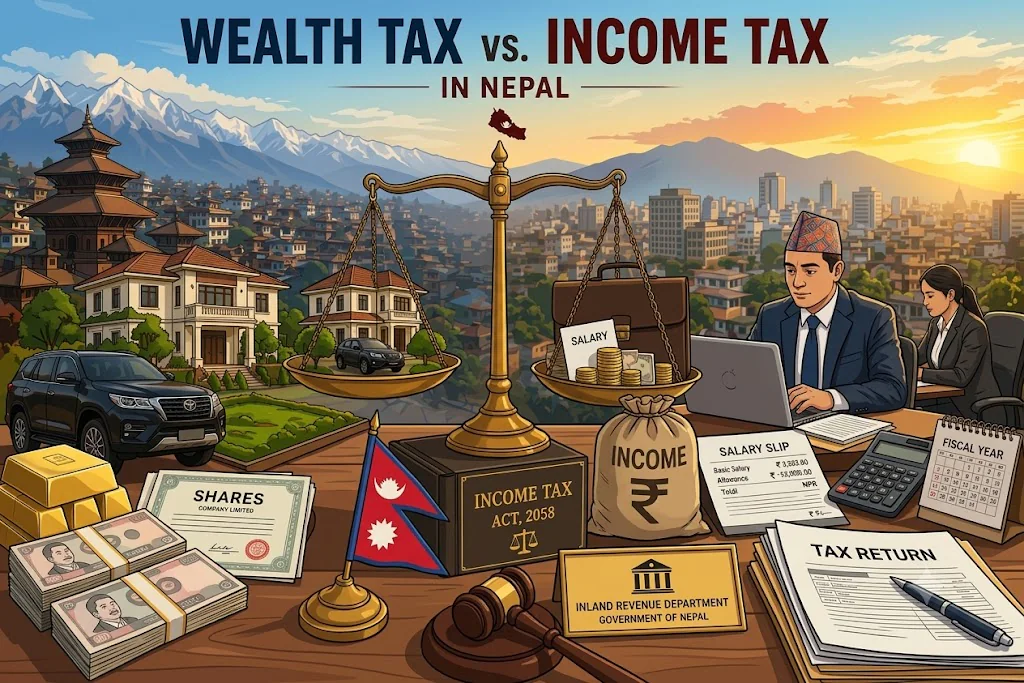
A policy comparison of income tax and wealth tax, including the different tax bases and administrative records each would require.

Corporate Compliance
1. Introduction When a company is incorporated in Nepal under the Companies Act, 2063 (2006), its capital is divided into shares, and ownership is represented through those shares.…

Publications
थोपा थोपा पानीले नै समुन्द्र बने जस्तै सकेको योगदान गरी राष्ट्र पुनर्निर्माणको महान अभियानको हिस्सा बन्ने अवसर पनि हो यो। यस सूचना प्रकाशन सगैँ हाम्रो मनमा उब्जेको प्रश्न चाँहि यस…

Publications
Review the legal procedure for company liquidation in Nepal, including conditions, the liquidator’s duties, creditor claims and dissolution.
Publications
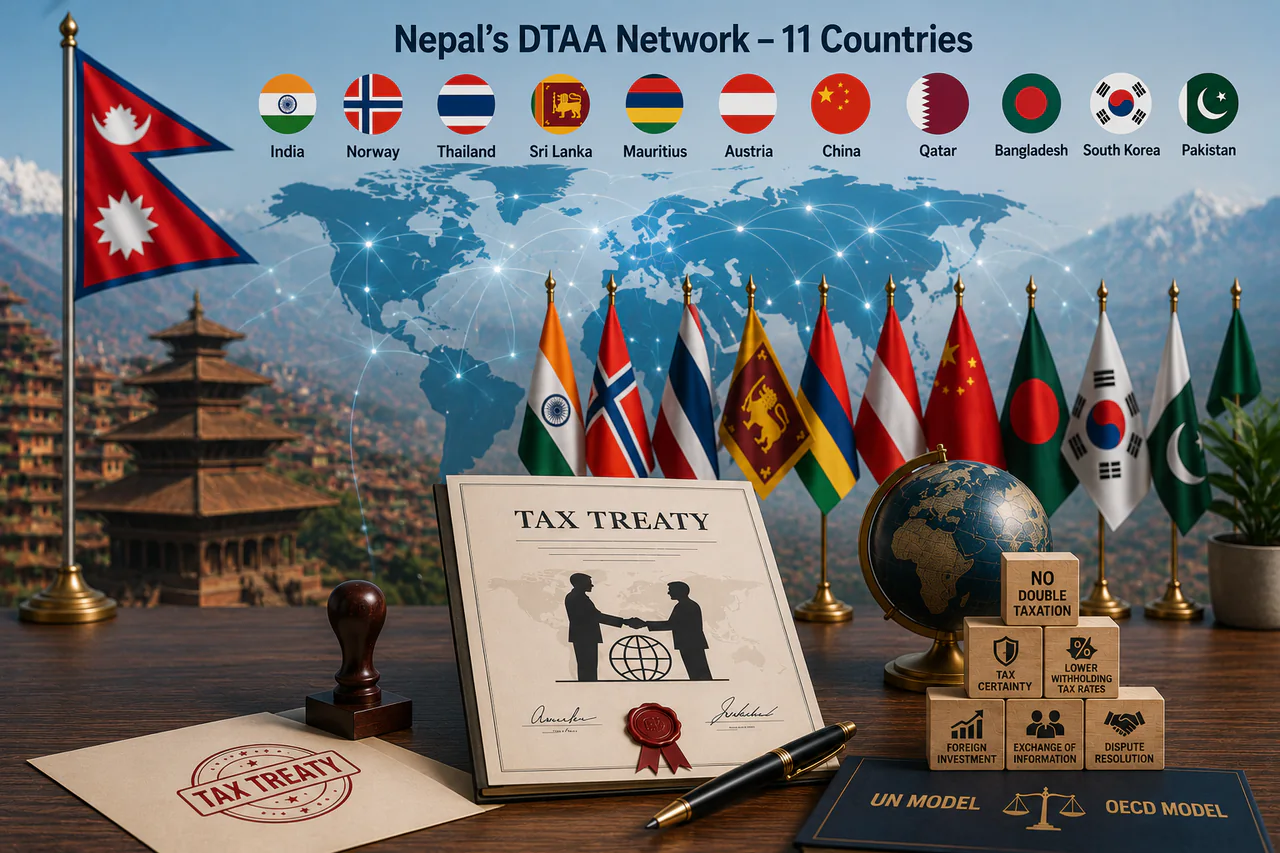
Understand Nepal’s tax treaties, the income they cover, available relief and the documents generally used when claiming treaty benefits.

Publications
Review the requirements, approvals, documents and post-conversion duties involved in converting a private company into a public company in Nepal.

Publications
Review the formation, governance, filing and sector-specific compliance topics that apply to public limited companies in Nepal.
Publications
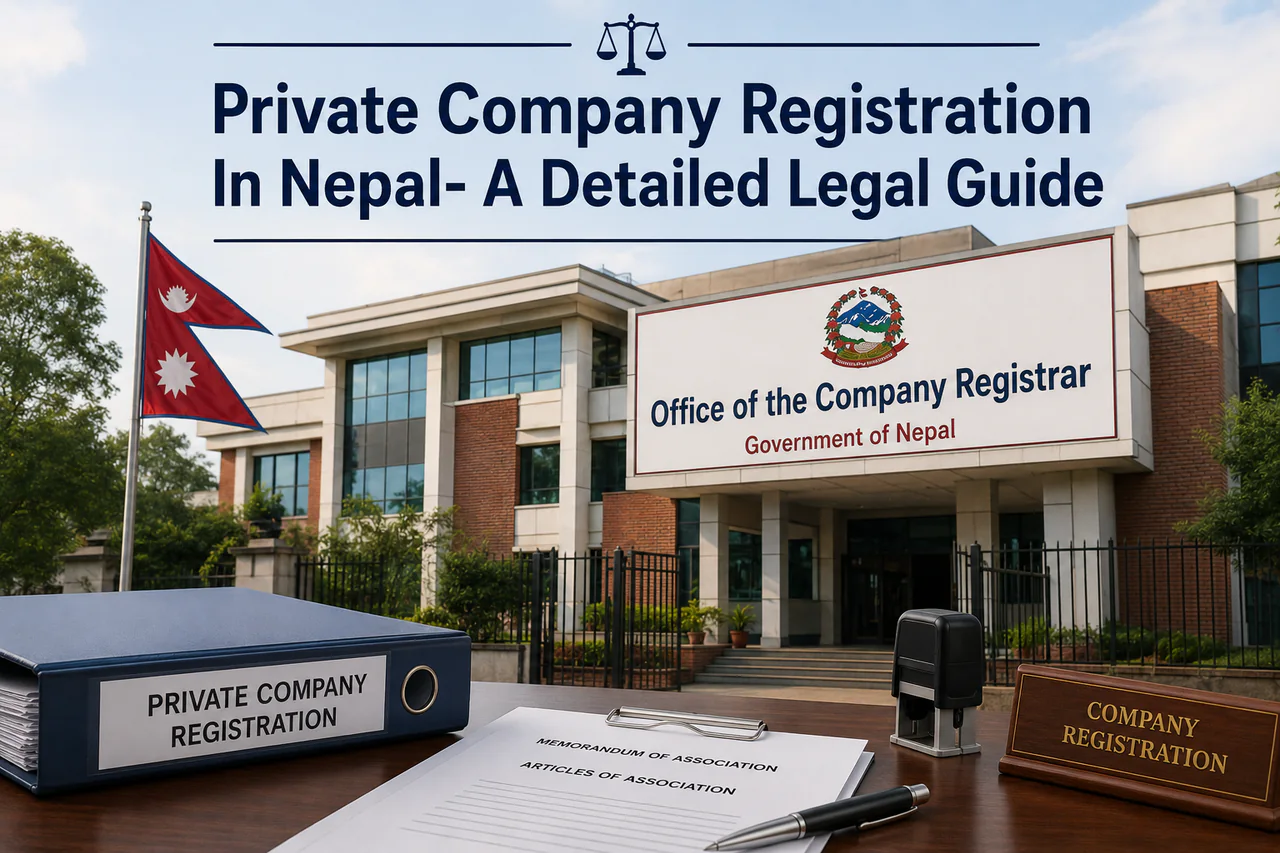
Learn the private limited company registration process in Nepal, including OCR filings, required documents and post-registration duties.
Publications
Review the sequence described for foreign company branch registration in Nepal, from approval and filing to tax registration.