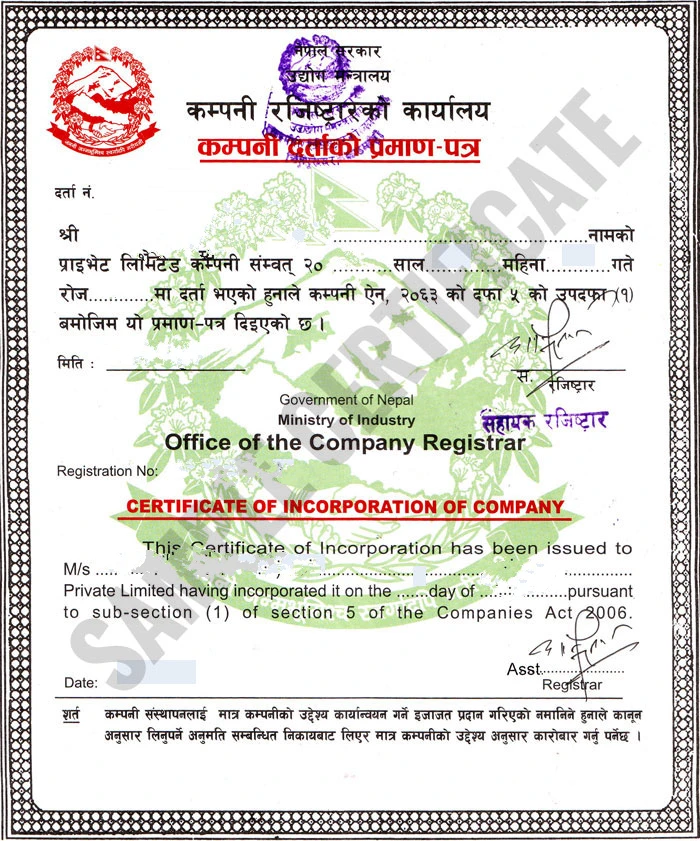

If your company is already incorporated under the Companies Act as a public company that gives you a head start you do not need to convert from private to public. But listing on the Nepal Stock Exchange (NEPSE) via a public issuance is still a multiphase, regulated process. You must satisfy statutory prerequisites, obtain regulatory approvals, and execute operational steps one by one.
The key regulators / actors are:
- SEBON (Securities Board of Nepal) grants registration for a public issue, reviews and approves the prospectus, enforces listing / disclosure rules.
- NEPSE grants admission to trade in its market, ensures the company meets listing conditions.
- CDSC (CDS & Clearing Ltd.) the depository / clearing arm; issues ISIN (International Securities Identification Number), dematerializes shares and handles transfer and settlement infrastructure.
Phase I: Pre-listing
Statutory Status & Constitutional Documents (MOA / AOA)
Even though your company is already public, confirm that your Memorandum and Articles of Association permit a public offering, allotment to public, multiple share classes, transferability, etc.
If necessary, propose and pass amendments (by board and shareholders) to MOA/AOA to allow all required capital-raising mechanisms (rights issue, bonus, and public issue) and listing compliance.
File necessary changes with the Office of Company Registrar (OCR), and make required OCR / statutory filings.
Board / Shareholder Approvals & Strategic Resolutions
The board must pass resolutions authorizing pursuit of listing, approval of capital increases, appointing advisors (merchant banker, legal counsel, auditor, and registrar / transfer agent), giving power to prepare and publish a prospectus, etc.
If statutory mandates or your existing charter require shareholder approval (e.g. special resolution for capital raising), convene the general meeting, circulate notices, pass the resolutions, record minutes.
Ensure proper quorum, voting thresholds, and that notice / disclosure obligations are respected.
Retain internal governance enhancements including audit committee, independent directors (if required), clarity of roles, internal controls, and corporate policies (related-party, disclosure, risk).
Financials, Audit, Due Diligence & Rectification
Prepare or confirm the required number of years of audited financial statements under applicable accounting standards.
If auditors gave qualifications, take steps to address them or add explanatory notes.
Conduct legal, regulatory, tax, environmental, contractual, and litigation due diligence and clean up or disclose material issues.
Obtain credit rating, valuation, or appraisal if required by SEBON.
Prepare the due diligence pack for the issue manager and SEBON.
Eligibility Check & Threshold Compliance
Confirm compliance with eligibility criteria including:
- Minimum paid-up capital
- Track record / profitability / net worth requirements
- Number of shareholders
- Sector-specific thresholds
- Corporate governance requirements
- Absence of disqualifications
Appointment of Advisors and Issue Manager
Engage a SEBON-licensed issue manager / merchant banker, legal counsel, auditor, registrar / transfer agent, underwriter, and other specialists as required.
Execute engagement agreements defining scope, liabilities, timelines, and fees.
Structuring the Offer
Decide issue size, pricing, allocation categories, and compliance with SEBON directives.
Determine fixed price or book-building method, pricing range, and marketing strategy.
Preparation of Draft Prospectus
Prepare draft or red herring prospectus with mandatory disclosures including business overview, financials, management, risk factors, use of proceeds, and governance.
Prospectus / SEBON Registration
Drafting and Registration
Prepare the prospectus in accordance with SEBON directives including Securities (Public Offer) Directives, 2074 and Securities Issue and Allotment Directives, 2074.
Mandatory disclosures include:
- Corporate overview and business model
- Capital structure and shareholding
- Management and governance
- Audited financial statements
- Use of proceeds
- Risk factors
- Underwriting and pricing method
- Legal and regulatory approvals
- Dividend and governance policies
Phase II: Regulatory Submission, Review & Approval
Submission to SEBON
Submit application with draft prospectus and supporting documents.
SEBON Review and Queries
Respond to SEBON’s queries, revisions, and clarifications.
Registration and Approval
SEBON registers the prospectus and issues securities registration certificate.
Publication and Offer Opening
Publish final prospectus and open subscription as per approved schedule.
Phase III: Subscription, Allotment & Dematerialization
Subscription and Collection
Investors subscribe through ASBA / C-ASBA during the offer period.
Allotment
Shares are allotted proportionately or by lottery as applicable.
Dematerialization
Shares are credited to investors’ BOIDs via CDSC.
Phase IV: Listing and Commencement of Trading
Application to NEPSE
Submit listing application with required documents.
NEPSE Review
NEPSE examines and issues listing decision.
Commencement of Trading
Shares commence trading in NEPSE secondary market.
Post-listing Compliance
Maintain continuous compliance including periodic disclosures, insider trading rules, governance obligations, and investor relations.
Tax Perspective
- Dividend withholding tax applies as per prevailing law.
- Capital gains tax applies on secondary market transactions.
- IPO proceeds are not taxable income.
- Transactional costs and professional fees may attract withholding and other taxes.
Conclusion
Listing a public company in Nepal is a carefully regulated process that requires compliance with SEBON, NEPSE, and CDSC requirements. With proper planning, professional advice, and regulatory compliance, listing opens access to public capital, enhances corporate governance, and supports long-term growth in Nepal’s capital market.