Quick answer
What happens when a cheque bounces in Nepal?
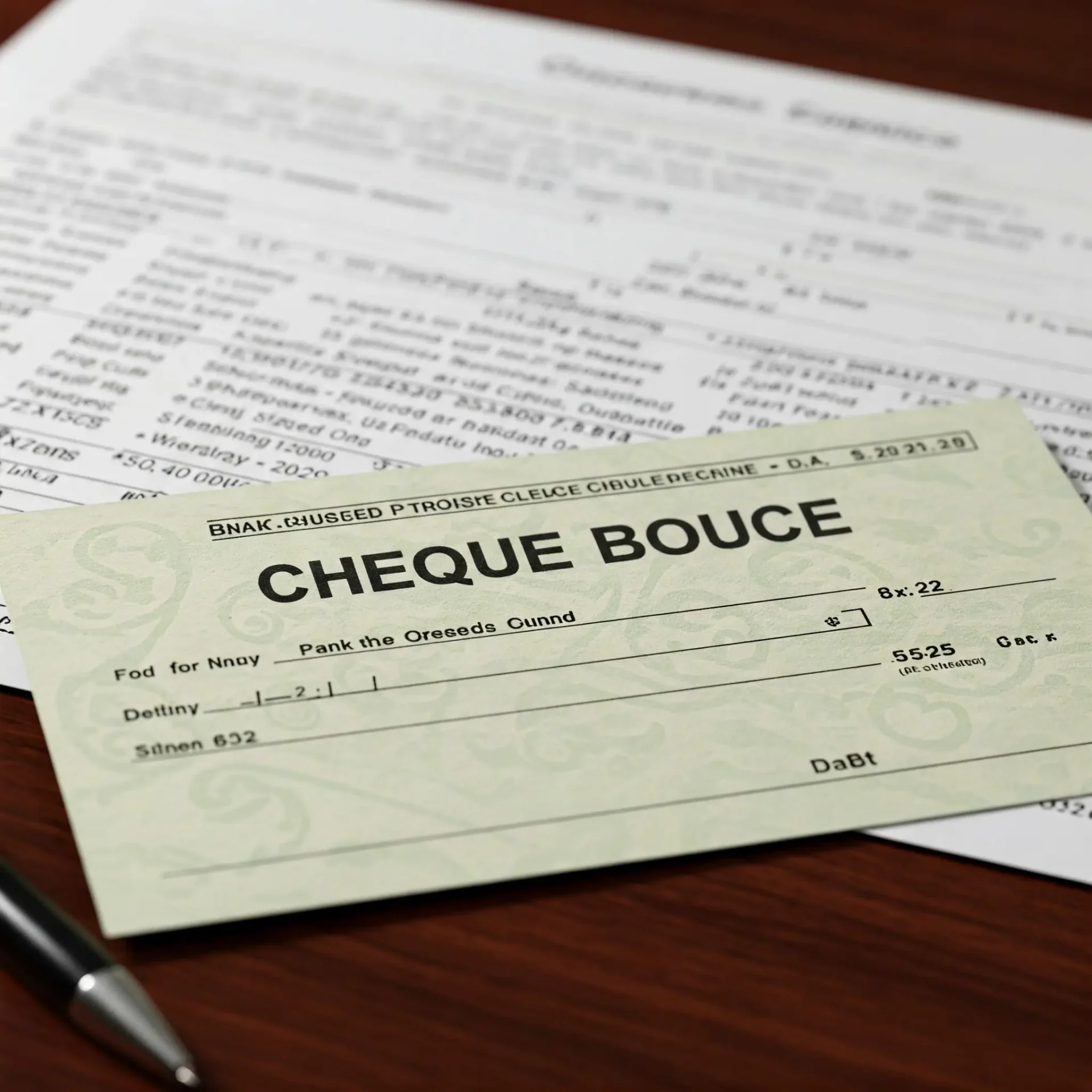
Under the Banking Offence and Punishment Act as amended in 2082, a returned cheque does not become certified cheque dishonour immediately. If the holder requests certification, the bank gives the account holder up to 45 days to fund the account. If payment still cannot be made after that period, the bank certifies the dishonour and returns the cheque to the holder.
- Keep the original cheque, bank return memo, account statements and written communications.
- Ask the issuing bank about the formal dishonour-certification process and keep every notice or acknowledgement.
- Record the certification date because the statutory complaint period runs from that date.
Current cheque-bounce rules
What changed under the 2082 amendment?
The amendment introduced the bank-notice and dishonour-certification process, revised the fine and imprisonment provisions, set the complaint period from certification and added a route for settlement after payment.
Must the cheque be deposited three times?
The amended Section 3A does not state a three-deposit requirement. It provides for initial presentation, notice of up to 45 days, a further payment request after that period and certification within three days if the account still lacks enough money.
When does a returned cheque become certified cheque dishonour?
The current Act treats cheque dishonour as a specific process. It applies when the bank cannot pay the cheque because the account does not contain enough money and the bank certifies that position under Section 3A. A return caused by another issue, such as an unclear alteration or signature problem, needs separate review.
How does the bank certification process work?
- Present the cheque. The holder presents the cheque to the bank or financial institution on which it was drawn.
- Request certification. If the cheque is returned for insufficient funds and the holder wants the dishonour certified, the holder asks the bank to begin the statutory process.
- Wait through the notice period. The bank notifies the account holder and allows up to 45 days to place enough money in the account. The bank records that notice and returns the cheque with the relevant notation.
- Present the cheque again. After the notice period, the holder requests payment again.
- Obtain the certification. If the account still lacks enough money, the bank must certify the dishonour and return the cheque to the holder within three days.
Nepal Rastra Bank determines the detailed certification procedure. The holder should follow the bank’s current form and submission requirements.
How long do you have to make a complaint?
For an offence under Section 3A, a complaint may be made within one year from the date the cheque dishonour was certified. Once the complaint is made, the case must be filed in the relevant District Court within six months. The certification date, not only the date written on the cheque, is therefore a critical record.
What may the court order?
If the offence is proved, the Act provides for recovery of the cheque amount and interest under prevailing law from the date the cheque was issued until payment. It also provides for a fine equal to five percent of the cheque amount and imprisonment based on the amount involved:
- up to NPR 1.5 million: imprisonment for up to one month;
- more than NPR 1.5 million and up to NPR 5 million: one to three months;
- more than NPR 5 million and up to NPR 10 million: three months to one year;
- more than NPR 10 million and up to NPR 100 million: one to two years; and
- more than NPR 100 million: two to four years.
The court applies the law to the proved facts. The cheque, certification, payment history and communications can affect the claim and defence.
Can a cheque-bounce case be settled?
Section 26A allows settlement when the defendant pays the cheque amount and both parties agree. During an investigation, the parties apply through the investigating officer to the government attorney. After a case has been filed, the application proceeds through the government attorney to the court.
What should you bring to a legal consultation?
- the original cheque and copies of both sides;
- the bank return memo, notices and dishonour certification;
- the agreement, invoice, loan record or other document explaining why the cheque was issued;
- account statements and proof of any part-payment; and
- messages, letters and a dated account of what happened.
S & S Jurists can review these records, identify the applicable route and calculate the filing deadline before you decide how to proceed.
Official legal sources
Check the current text and guidance published by the responsible government body.